
GLP-1 weight loss: The missing piece
Over the past year, GLP-1 weight loss injections have become increasingly popular across the UK, with many people accessing them privately to support weight loss. For some, these medications have been genuinely life-changing; quietening appetite, reducing cravings, and helping them finally feel in control around food.
But as their use grows, so does an important conversation
What happens when the injections stop?’
We are starting to see more reports of rapid weight regain once GLP-1 medication is discontinued. There is also an increased risk of nutrient deficiencies. Not because people have failed, but because many have never been given the support needed to turn short-term weight loss into long-term success.
This is where nutritional therapy and behaviour change support become essential.
What GLP-1 does well
GLP-1 medications work by mimicking a natural hormone involved in appetite regulation. For many people, this leads to:
- Reduced hunger
- Quieter ‘food noise’
- Smaller, more comfortable portions
- Fewer cravings
- A greater sense of control around eating
For the first time in years, food can feel calmer and more manageable. This can be incredibly empowering, especially for those who have struggled with weight for a long time.
In many cases, GLP-1 provides the breathing space people need to get started.
What else are we learning
While GLP-1 can support weight loss, it does not teach the skills needed to maintain that weight loss. It does not teach:
- How to eat when appetite returns
- How to manage emotional or stress eating
- How to fuel your body consistently
- How to regulate hunger naturally
- How to build routines that fit real life
Weight loss and weight maintenance are two very different skill sets.
Medication can quieten appetite, but it doesn’t change habits, beliefs, routines, or coping strategies. When the medication is stopped and appetite returns, people often find themselves back in familiar patterns, but with less confidence than before.
This isn’t a failure. It’s a lack of support.
The golden window for change
One of the most important and often overlooked aspects of GLP-1 is that it creates a powerful opportunity for habit change. When appetite is quieter:
- Portion control feels easier
- Food choices feel less emotionally charged
- Cravings are more manageable
- Eating becomes more of an intentional choice
This is a golden window to build the foundations that protect your results long-term.
Instead of fighting hunger and willpower, you finally have the mental space to learn how to structure balanced meals, to stabilise your blood sugar, to eat for energy and fullness, to recognise real hunger vs habit and to build sustainable routines.
Lifestyle factors matter too
No medication can override the effects of:
- poor sleep
- chronic stress
- blood sugar instability
- inconsistent eating
- long working hours
- disrupted routines
Medication creates the opportunity. Skills create sustainability.
These factors affect appetite hormones, cravings, energy levels and fat storage, whether someone is using GLP-1 or not.
For people with demanding jobs, irregular schedules, or disrupted sleep (including shift workers), these challenges can be even more pronounced. But the foundations of sustainable weight loss are the same for everyone:
- Protein-rich meals
- Balanced blood sugar
- Regular nourishment
- Realistic routines
- Stress support
- Behaviour change strategies
Where nutritional therapy fits in
Nutritional therapy bridges the gap between medication and long-term success. It provides:
- Personalised nutrition guidance
- Appetite regulation strategies
- Blood sugar support
- Realistic meal planning
- Behaviour change coaching
- Emotional eating support
- An exit strategy for when medication ends
Rather than relying on appetite suppression alone, nutritional therapy helps you build a relationship with food that feels calm, confident and sustainable. It looks at your lifestyle and support network to build a strong foundation for successful weight loss. It Makes S.E.N.S.E. ©
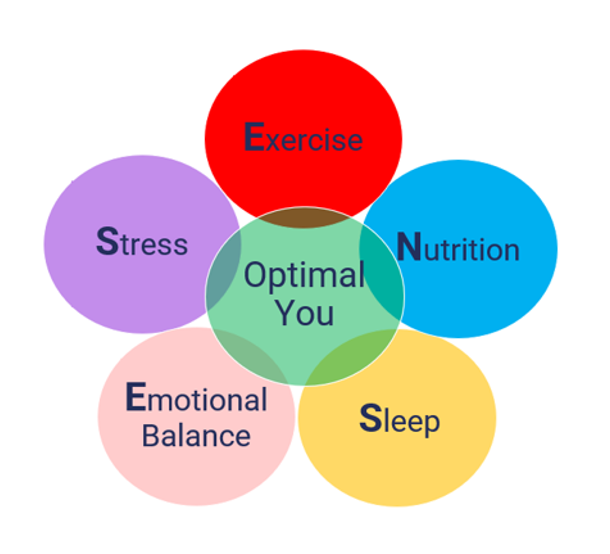
This is not about restriction, perfection, or rigid rules. It’s about understanding your body, your lifestyle, and your unique challenges, and building habits that work for you.
A smarter way forward
GLP-1 can be a powerful tool. But tools need a strategy.
The real success story is not just losing weight. It’s keeping it off, feeling in control around food, and building a healthier relationship with your body – for life.
If you are using GLP-1 (or considering it) and want to protect your results, nutritional therapy can provide the structure, education and support that medication alone cannot.
Contact Anna for more information on filling that missing piece with nutritional therapy.
